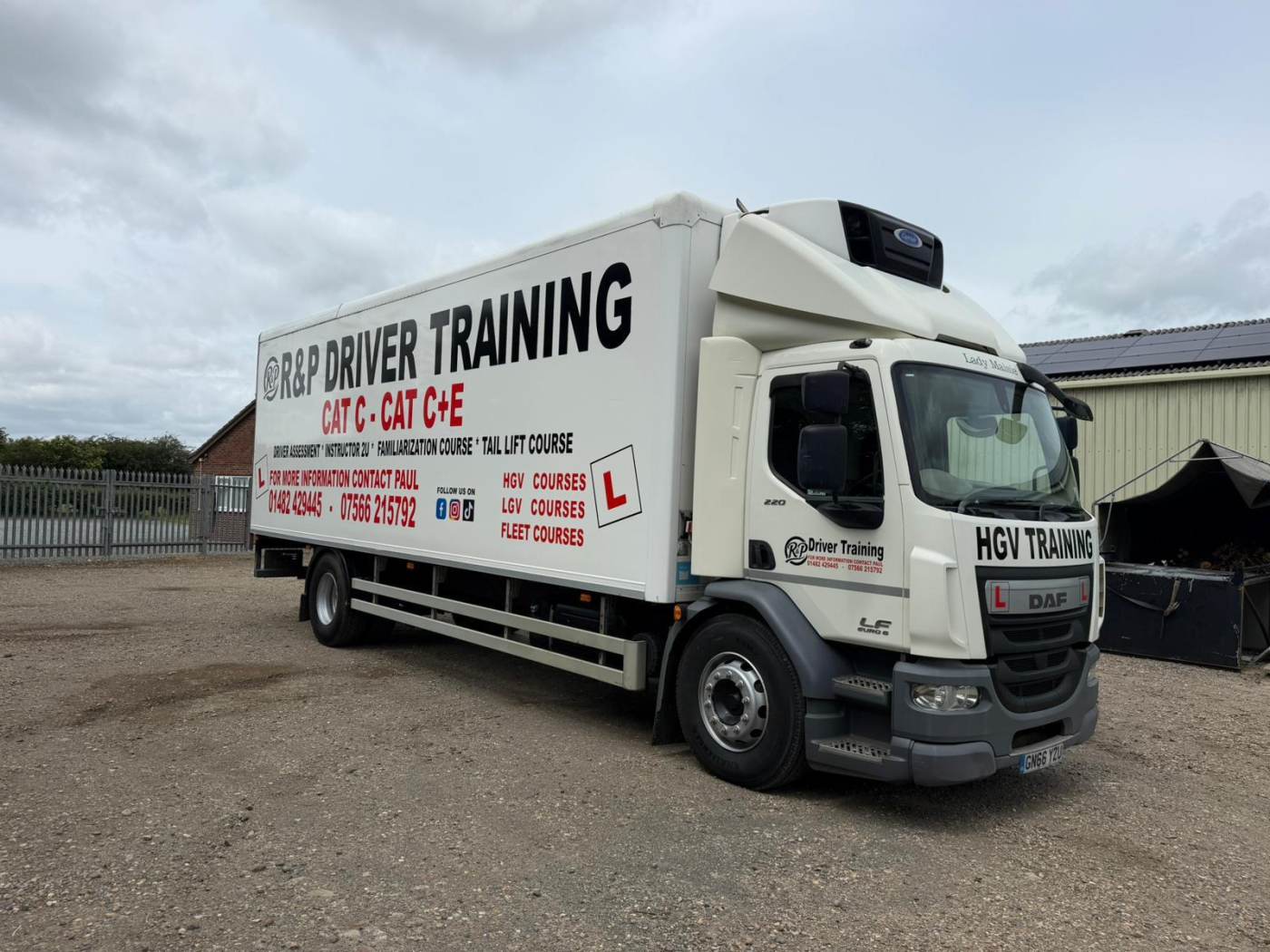
Most students walk into their first day having done plenty of research but missed one or two practical steps that can slow things down. Here's our short checklist.
1. Apply for your provisional vocational entitlement
Before you can train for Category C, C+E or C1, you need the vocational entitlement added to your driving licence via a D2 application form to the DVLA. It's free, but it can take a few weeks to come back — start this as early as possible.
2. Book and pass your medical
You'll need a D4 medical form signed by a doctor confirming you're fit to drive HGVs. Many GPs offer this, and several private clinics in Hull will see you within a few days for around £50–£90. Submit it alongside the D2 form.
3. Complete your theory and hazard perception tests
Your HGV theory test and hazard perception test must be passed before your practical test can be booked. We can help you with a hazard perception course if you'd like structured prep — see our Theory & Hazard Perception page.
4. Bring the right paperwork on day one
You'll need your photocard driving licence (both parts), your D4 medical confirmation, and your provisional vocational entitlement confirmation. We'll remind you the week before, but it saves time if it's already in your folder.
5. Eat well, dress comfortably, and get an early night
HGV training is more physical than people expect — climbing in and out of the cab, concentrating for long stretches, working out spatial awareness for a vehicle far larger than anything you've driven. Treat it like an athletic day. Layered clothing works well because the cab can warm up quickly.
Booked already? We'll see you on day one. If you haven't booked yet, our courses page has everything you need.